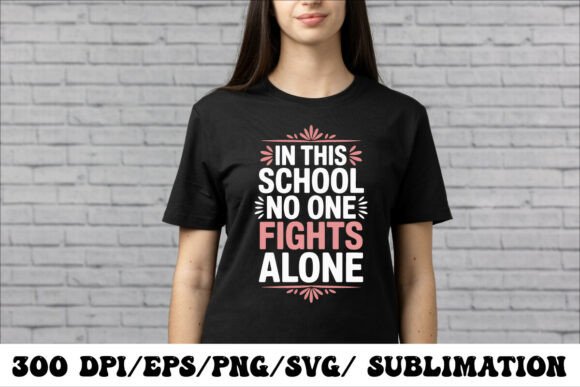
In This School No One Fights Alone: A Message of Unity and Support
The phrase In This School No One Fights Alone resonates deeply in today’s educational environments. It's more than just a motivational quote—it's a commitment to fostering emotional support, teamwork, and mutual respect among students, teachers, and staff. This message is especially powerful in a world where young people face increasing social and academic pressures. By embracing the spirit of this saying, schools can create a nurturing atmosphere where every individual feels valued and supported.
Understanding the Meaning Behind the Quote
At its core, In This School No One Fights Alone is about solidarity. It communicates that no student, teacher, or parent should feel isolated when facing challenges. Whether it’s academic stress, personal issues, or social difficulties, the quote reminds everyone that help and understanding are always available. This kind of message can be especially impactful in classrooms where students from diverse backgrounds come together to learn and grow.
Why This Message Matters in Schools
Schools are not just places of academic learning—they are communities. The In This School No One Fights Alone philosophy encourages students to look out for one another, promoting kindness and emotional resilience. It supports mental health awareness by acknowledging that struggles are a normal part of life and that seeking help is a sign of strength, not weakness.
- Promotes a culture of empathy and support
- Encourages students to speak up when they need help
- Strengthens peer relationships and classroom cohesion
Where Can This Quote Be Used?
The In This School No One Fights Alone design is versatile and can be incorporated into various educational settings. Here are a few examples:
- Classroom walls: As a daily reminder to students and teachers alike.
- Teacher gifts: A meaningful token for educators who support their students emotionally as well as academically.
- School apparel: T-shirts or hoodies with the quote can boost school spirit and unity.
- Mental health initiatives: Used in campaigns or posters to promote emotional well-being.
Designing with Purpose: The Visual Appeal of the Quote
As an inspirational design, the quote works well in different visual formats. Whether as a minimalist poster or a vibrant wall mural, the typography and color choices can enhance its emotional impact. Many schools opt for calming colors like blues and greens to evoke a sense of peace and trust. Others use bold fonts and bright accents to make the message stand out and energize the space.
Choosing the Right Format for Your School
When selecting how to display In This School No One Fights Alone, consider the environment and audience:
- Primary schools: Use playful fonts and colorful backgrounds to match the youthful energy.
- High schools: Go for modern, clean designs that reflect maturity and thoughtfulness.
- Teacher lounges: A more subtle, elegant design can resonate with educators who appreciate quiet encouragement.
Who Benefits from This Message?
While students are the most obvious beneficiaries of the In This School No One Fights Alone ethos, the message also extends to teachers, parents, and school staff. Educators often face burnout and isolation, and knowing they are part of a supportive community can improve morale and job satisfaction. Parents also gain peace of mind knowing their children are in an environment that prioritizes emotional well-being.
Real-World Applications and Success Stories
Many schools have reported positive changes after adopting this kind of message. For example, one middle school in Oregon introduced a “Unity Wall” featuring the quote along with student-written notes of encouragement. Within a few months, teachers noticed a decrease in bullying and an increase in students stepping in to support their peers. Another school used the quote on t-shirts during mental health awareness week, sparking meaningful conversations among students and staff alike.
Strengths and Limitations of the Quote
One of the greatest strengths of In This School No One Fights Alone is its universal appeal. It’s short, memorable, and emotionally resonant. However, it’s important to remember that a quote alone cannot solve deeper issues like bullying, anxiety, or academic stress. It must be part of a broader strategy that includes counseling services, peer support programs, and inclusive school policies.
When considering the use of this message in your school or organization, ask:
- Is this message part of a larger initiative?
- Are there resources available to support students who may be struggling?
- Will staff be trained to reinforce this message through actions and policies?
How to Evaluate If This Quote Is Right for Your Needs
Before incorporating In This School No One Fights Alone into your environment, consider your school’s current culture and values. If your institution already emphasizes kindness, teamwork, and emotional support, this quote can serve as a powerful reinforcement. If not, it can be a great starting point for building a more compassionate community.
Here are a few steps to help you evaluate its suitability:
- Survey students and staff: Ask how they feel about the school environment and what changes they’d like to see.
- Review existing programs: See if the quote aligns with current initiatives around mental health or peer support.
- Engage the community: Involve students in the design and placement of the quote to ensure ownership and relevance.
Conclusion: Building a Supportive School Culture
The In This School No One Fights Alone message is more than just a design or a poster—it’s a mindset. When embraced fully, it can help create a school culture where compassion, unity, and emotional resilience thrive. Whether used as a classroom decoration, a gift for teachers, or part of a larger mental health campaign, this quote has the potential to inspire real, lasting change in educational spaces.
If you're looking for a way to uplift your school community, consider how this message might fit into your vision. With thoughtful implementation and genuine commitment, it can become a cornerstone of a more supportive and inclusive learning environment.